Saturday, 28 April 2018

Sleepless Nights Across The Lifespan


Sleep is a core biological function, an inherent process that is both physiological and psychological, and one that affects us over our entire lifespan. Most of us will sleep for some period just about every day from the day we are born until the day we die. As a biological process influenced by our circadian rhythm, it connects us to the very movement of our planet. It plays a vital role in alertness, learning, memory, concentration, mood and health. We all have a genetic propensity to sleep, yet because it is so inherent, and because most of us do it every night, its effects may be subtle and unremarkable in our everyday life. Until we cannot get it.
When sleep is disordered – when we can’t sleep, or when we wake feeling unrestored – the effects of good sleep are envied and the impairment we experience is pronounced. Poor sleep even for a night or two can be associated with impaired psychomotor functioning, memory or learning difficulties, concentration deficits and mood impairment. Longer-term sleep difficulties can widely affect our health – from cardiometabolic disorders such as diabetes, hypertension and congestive heart failure to psychiatric disorders including depression and anxiety. Sleep disorders also have a widespread social impact. With poor sleep we are likely to become more isolated. Our intimate relationships may falter, and work productivity suffers.
There are over 80 different types of sleep disorders, but by far the most common is insomnia. Insomnia consists of difficulty initiating sleep, difficulty staying asleep or re initiating sleep after awakening. Individuals frequently experience more than one of these symptoms. Insomnia can emerge at any point in our lifespan. Virtually everyone will have a difficult night occasionally; however, up to 15% of the adult American population suffers from chronic insomnia lasting 4 weeks or longer.
Insomnia may have a medical basis – hormonal changes or impaired endocrine functioning such as hyper- or hypothyroidism, for example, can lead to sleep difficulties. For the vast majority of individuals suffering insomnia, however, insomnia is nearly always “psychophysiological” in nature – a product of the interplay between the physiology of sleep and psychological and behavioral factors which may counteract this by affecting physiological arousal. Psychological factors, such as stress often precipitate initial sleepless nights. Other factors also considered to be psychological – behaviors, conditioning, mental activity, anxiety and sleep phase variability – are associated with perpetuating insomnia over time.
Insomnia may emerge in infancy or childhood. While medical conditions may lead to sleep difficulties, more typically such early insomnia emphasizes the role of learning in sleep patterns. As children reach adolescence, they are likely to experience a delay in their sleep phase due to hormonal changes and emerging social behaviors, . In young adults, insomnia may occur as they enter the work world but continue to exist on a “college” schedule – staying out late on the weekend and sleeping in the next morning.
For parents, family stressors go hand-in-hand for the adult with insomnia. Infants and their disrupted sleep, or children and their sleep schedules can wreak havoc. For women, insomnia often emerges either around childbirth or during or after menopause. For the adult insomnia sufferer, anxiety – reflecting increased physiological arousal, cognitive activity, and sleep schedule variability have a dramatic effect on functioning. Insomnia worsens emotional regulation; reflecting depressed mood but also impairment in social interactions. Conflict, poor communication and mood impairment – hallmarks of feeling “crabby” after a difficult night – in the long term become stressors unto themselves, which feed a vicious cycle between poor sleep and relationship difficulties.
Individuals vary in the amount of sleep they need. The average person requires 8 hours of sleep but there is actually substantial variability between individuals. Sleep partners may often not be well-matched in this regard. If one individual requires only 7 hours of sleep and the other 9, the shorter sleeper is often left tossing and turning in bed.
In adults who can’t sleep, worries about work and functioning are common. With little doubt, insomnia in adulthood affects work. The cost of insomnia for the employer and our nation’s productivity is high. Lost productivity occurs both from days where individuals miss work (“absenteeism”), but also when individuals are present but less productive (“presenteeism”). A study recently published in SLEEP, the journal of the American Academy of Sleep Medicine, analyzed results from the American Insomnia Survey to evaluate the impact of insomnia on the work place. It found a 23% prevalence of insomnia among employees. Insomnia rates were lower for those over 65, males and with college degrees. For this large sample across employers, insomnia was associated with 7.8 days of lost productivity. The authors estimate the cost in human capital to be $2,280 annually per person. For a large company with 50,000 employees, this productivity loss translates into a cost of over $26 million dollars annually. For a smaller company with 1,000 employees, this would reflect a cost of $524,400.
Most adults will continue to require 7- 9 hours or sleep a night as they age. Although we do experience changes in physiological sleep need as we age in adulthood, most insomnia in older adults is associated with medical conditions – pain in particular – and medications rather than lost sleep need. Interestingly, it is also not uncommon for the retiree to expect longer sleep periods upon retirement. Unfortunately, sleep need doesn’t increase simply because we now have time to sleep in. In some older adults, efforts to sleep longer lead to overexpansion of sleep opportunity in relation to physiological sleep need. This can lead to frustration and mental activity as individuals lay in bed hoping to sleep, further fueling insomnia.
Fortunately, insomnia is a very treatable condition at any age. The most durable and effective treatment does not require medication. Cognitive Behavioral Treatment for Insomnia (CBTi) builds on basic behavioral techniques and incorporates interventions directed at reducing sleep anxiety, cognitive activity (“racing thoughts”) and sleep schedule modification. A behavioral sleep medicine specialist can provide this brief treatment. Multiple studies comparing this treatment approach to use of prescription sleep medications show both cost efficiency and more lasting durable treatment of insomnia with CBTi. Certainly, there is also no shortage of over-the-counter sleep medications and an expanding number of prescription sleep medications are also available. While medications may be effective, sleep medications are most intended for acute, short-term bouts of sleep difficulty. For the chronic insomnia suffered, these medications may actually foster greater difficulty over time. Individuals may develop a psychological dependence on the medications and when medications are stopped, anxiety and rebound insomnia are likely to occur. To evaluate the best treatment option for insomnia, speak with your primary care physician or contact a comprehensive, accredited sleep disorder treatment center.

Thursday, 12 April 2018

Health Benefits of Coconut Water

Coconut has been practised in Ayurveda for many centuries. Apart from the culinary uses, coconut and coconut water has many health advantages suggested in Ayurveda. The coconut palm is a nature’s wonder, it is appropriately described as ‘Kalpavriksha’ (a mythological tree supposed to grant all the wishes or the tree that provides all the necessities of life).


Friday, 23 March 2018

The Center for Sleep Medicine in Libertyville IL Offers Oral Appliance Therapy for Snoring and Sleep Apnea


There are many solutions that have become available in the management of snoring and sleep apnea based on a professional assessment of individual needs. At the Center for Sleep Medicine in Libertyville, IL it is possible to experience relief from the symptoms and limitations associated with such conditions. Such an institution can aid in determining the underlying causes, restrictions, and the most suitable intervention to prevent against facing risk down the line caused by snoring and sleep apnea.

The technology and devices currently available to address snoring and sleep apnea are now more comfortable and advanced than what was available in the past. Consulting with a member of the professional staff at The Center for Sleep Medicine will involve a complete assessment of a patient’s condition and advice on the therapy most appropriate to meet that individual’s needs. Ongoing methods can be implemented that will allow for the effective management of the disorder and relief from symptoms.

One of the most popular interventions includes a dental oral appliance that is effective, convenient and comfortable for those with mild to moderate sleep apnea. The dentist will produce an oral appliance that is suitable for the shape and size of your mouth. It works by bringing the lower jaw forward which in turn keeps the tongue from slipping down into the airway while sleeping.


Continuous Positive Airway Pressure (CPAP) is an alternative to keep the air passages open. A CPAP machine along with tubing and a nasal pillow mask aid in the maintenance of respiratory function by generating a stream of air into the airway to keep it open. The CPAP machine usually includes a humidifier to keep the air moist while in use.

For those who are intolerant of CPAP Therapy an oral appliance may be an appropriate alternative. Sometimes oral appliances are used in combination with other means of treating sleep apnea such as weight management, surgery and CPAP. 

An examination is required to detect the cause for symptoms. Intervention is dependent on the assessment and the healthiest options that are available. Only where all non-invasive methods have failed would will surgery be considered as an alternative to snoring and sleep apnea.


Libertyville IL Sleep Medicine Center Provides Sleep Disorder Solutions


If you or someone in your family is having problems sleeping, it can develop into a major concern. Without proper sleep, people cannot function effectively on a day-to-day basis, and it can greatly affect one's physical health. Thankfully, treatment for chronic insomnia is available at The Center for Sleep Medicine.


The inability to fall or stay asleep is more common than most people think. In fact, up to ten percent of the population may suffer with this problem at some point in their lives. Insomnia can become chronic lasting for weeks, months, and sometimes years. If there were only one cause responsible for causing chronic insomnia it may be relatively easy to find a solution. Unfortunately there can be one or more reasons why a person cannot fall or stay asleep. Therefore seeking help from a sleep professional is recommended.

When you check into your local sleep center, a board certified sleep specialist will perform a complete evaluation. Since many sleeping disorders can be caused by health problems, you and the sleep specialist will review your medical history. Factors such as medication, hormones, and other conditions may play a major role in your difficulties.

Many sleep problems are a result of stress and are psychological in nature. For instance, you may be so concerned about finances, family matters or work concerns that you have difficulty sleeping. Understanding how to deal with these issues can make a big difference in the quality of your sleep.

People are creatures of habit and poor sleeping habits can affect one's quality of sleep. With the right behavioral training in sleep hygiene, the problem may disappear. This includes things like preparing the bedroom for sleep and developing a sleeping routine.

Your therapy for chronic insomnia will be custom designed for your needs. Many people in Chicago improve their quality of sleep by receiving Cognitive Behavioral Treatment for insomnia. With the right care, you can improve your sleep and wake up feeling refreshed. Instead of lying in bed at night trying to force sleep, you can learn how to make it happen without the need of sleep aids.


Thursday, 22 February 2018

How to treat Parkinson’s Disease through Ayurveda

Parkinson’s Disease is a neurological disorder, and named after physician Dr. James Parkinson who published a detailed description of the condition in 1817. Direct reference to conditions describing Parkinson’s disease is not available in classical Ayurveda texts. Ayurveda texts refer to different types of tremors. Parkinson’s disease is most commonly called Kampavata by current Ayurveda practitioners.
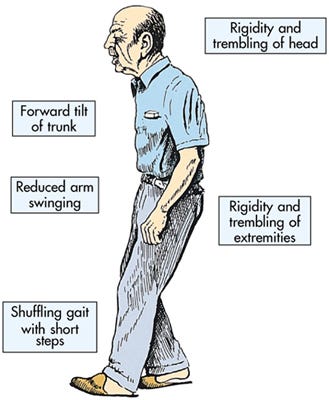
The most common recognisable symptom of Parkinson’s disease is known as a “pill rolling tremor.” In this condition, the thumb and fingers move uncontrollably in a manner resembling the rolling of a pill between the fingers. Tremors most commonly appear in the hands, arms, and legs, though other areas may be affected. Small movements of the hands and fingers may eventually be difficult. Another symptom is stambha (rigidity), in which movement becomes slow and difficult to initiate. Patients usually have to look at their feet to begin, shuffle forward and occasionally break into a trot (festination). The arms do not swing in coordination with the usual stride. The face may appear without expression (mask face), dull, or depressed; though no depression may be present. Reduced blinking is an early symptom. The voice becomes monotone and expressionless, further causing some to mistake this as depression.
Western medicine has determined the cause of Parkinson’s disease to be a loss of function of specialised cells in the brain stem which stimulate the production of the neurotransmitter, dopamine. Drugs supplying the brain with L-DOPA (a pre-cursor to dopamine) have been the mainstay of allopathic treatments of Parkinson’s disease. Ayurveda considers Kampavata as the manifestation of aggravated Vata, when Vata accumulates in brain tissues, damaging portions of the brain stem and causing altered coordination and tremors.
Dr Beckie Port writes about treating Parkinson’s disease through natural sources of L-Dopa. She mentions the risks of taking chemically synthesised L-Dopa
Levodopa is very effective, particularly in the early stages of the condition. But as Parkinson’s progresses and more brain cells are lost, more drug will need to be taken to get the same effects. And as the dose is increased to manage the symptoms of Parkinson’s the side effects themselves become unmanageable.(emphasis is mine)
Ayurveda uses Mucuna Pruriens which is a natural source of L-Dopa. L-Dopa whether natural or synthetic, is a replacement for the dopamine that the brain is no longer making. It does nothing to reverse or prevent further damage to the brain stem. Ayurvedic treatment of Parkinson’s disease is about the Vata disturbance. Ayurveda teaches that a holistic treatment regimen offers the greatest chance of success with Parkinson’s patients. In addition to using Mucuna pruriens, vata must be pacified.
Ayurvedic regimens have a lot to offer patients with Parkinson’s or other diseases. LiveRight is a startup offering solutions based on classical Ayurveda texts for the treatment of Parkison’s and other chronic ailments such as diabetes, arthritis, hypertension, migraine etc. Fix an appointment with one of our doctors today to regain your health and wellness.

Friday, 16 February 2018

Sleep Tips Offered By Top Rated Chicago Area Sleep Medicine Center


Maybe you find it hard to get to sleep each night. Perhaps you wake up after only an hour or so and cannot return to sound sleep. If so, you are not alone as this is a very common problem these days. Here are some helpful tips on better sleep from your Chicago insomnia professionals.

When sleeping is a problem, take a look at what you eat and drink. Try to cut back on stimulants like caffeine late in the day or early evening. You might try switching to decaffeinated beverages. Do not forget foods like chocolate and drinks like colas also contain caffeine. 

If you are constantly waking up at night, make your bedroom more conducive for resting. For instance, make sure you are very comfortable and that room temperature is not too cold or warm. Block out as much light as possible and consider black out drapes or curtains. Have some kind of noise in the background to drown out distractions. You can place a radio on "no channel" with loud volume for white noise.

Develop a habit or ritual each night before going to bed. This can put you in the right state of mind and can be very beneficial for sleeping. You might try taking a warm shower or bath right before bed. The goal is to reduce the amount of stimulation before one goes to bed.  Do not take smart phones or tablets to bed with you since the light emitted from such devices in a dark room may make it more difficult to fall asleep.

Staring at the clock all night long can make for a long night. Set an alarm for morning and then place the clock where you cannot see it. Also, do not worry about "not sleeping". Instead, start with relaxing the feet and gradually work your way all the up to your head.

If your sleep problem is long term, you could have medical or emotional problems. Consider seeking professional help from your local Chicago sleep center. They have trained professionals that will help you find the reason for your inability to fall asleep or stay asleep. 


Chicago Chronic Insomnia Therapy


A large number of people in the United States suffer from chronic insomnia. It is highly likely that almost everyone experiences either transient or chronic insomnia at some point during their lifespan. For local residents, cognitive behavioral treatment is often used to alleviate chronic insomnia at The Center for Sleep Medicine.


The inability to sleep will be categorized first as primary or secondary and then as acute or chronic. Primary cases are not caused by an underlying health problem, while secondary cases are often caused by health conditions and the symptoms that may occur. When sleep issues are acute, they only occur for short periods. Chronic sleep troubles are diagnosed when they last for at least three nights a week and for a month or more.

If the sleeping issue is primary and acute, there are several methods to address the issue. Mild cases, that seem to occur without repeated incidences, can be addressed with adjustments to sleeping habits. Learning relaxation techniques may also be helpful. A doctor may recommend the short term use of over the counter or prescription medications. Before you begin taking over the counter medications on your own, however, make sure you talk with your doctor.

Chronic sleeping problems that are also classified as secondary must be handled a bit differently. Your doctor must first determine how to handle the underlying condition and the symptoms that are likely causing your sleeping issues. If your sleep problems still persist, methods can include changing habits, learning new behaviors, and light therapy. Prescription and over the counter medications are often not recommended for chronic cases because they are only designed to be used on a short term, temporary basis.

Herbal and dietary supplements may also be helpful in dealing with episodes of sleeping troubles. Two common supplements are Valerian and Melatonin. Valerian is an herb that has sedative properties and can be found in different products, such as herbal tea with chamomile, and as a stand alone supplement. Melatonin is a hormone that is naturally produced by the body to induce sleep, but supplements in low doses can help sleeping troubles. Discuss these options with your doctor to ensure there are no interaction dangers with other medications you may be taking.

If you are experiencing difficulty getting to sleep or staying asleep, start keeping a journal to track each incidence and what you feel. Take this information to your doctor to help with the determination. In figuring out the cause and possible ways to help, you may be asked to attend a sleep study session.